
Summary
- Cleaning validation verifies that pharmaceutical manufacturing equipment is free from contaminants. These include active pharmaceutical ingredients (APIs), detergents, and microbial residues.
- Regulatory bodies including the U.S. Food and Drug Administration (FDA) and the European Medicines Agency (EMA) mandate cleaning validation. Non-compliance can lead to product recalls and facility shutdowns.
- Three standard acceptance criteria determine allowable residue limits after cleaning. These are the 10 parts per million (ppm) rule, the 1/1000 dose criterion, and visual cleanliness.
- Swab sampling and rinse sampling are the two primary methods for verifying that equipment meets cleaning validation acceptance criteria.
- A thorough risk assessment identifies contamination sources, evaluates their impact, and guides effective control measures.
- Digital cleaning validation tools have helped one global life sciences company reduce changeover time by 50% across multi-product facilities.
- Medical devices also require cleaning validation, with protocols tailored to device materials, design, and intended use.
A single cleaning failure can trigger a product recall, a warning letter, or worse — patient harm. Cleaning validation ensures that manufacturing equipment is free from contaminants and residues that could compromise product safety and efficacy.
This article covers what cleaning validation means, why it matters, and the regulatory guidelines that govern it. It also addresses acceptance criteria, sampling methods, risk assessment, medical device considerations, and how digital cleaning validation transforms the process.
What is cleaning validation?
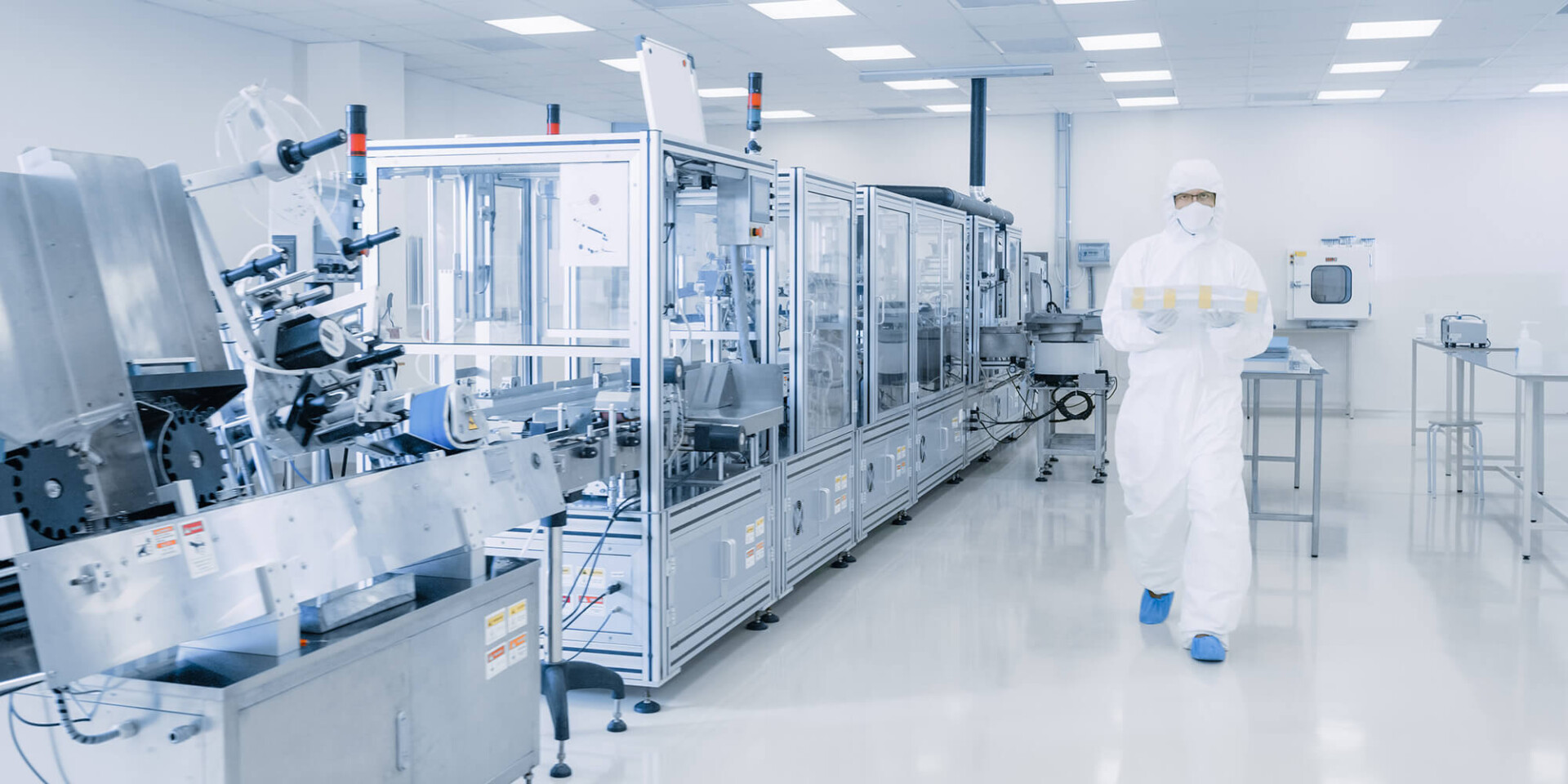
Cleaning validation is a documented process that verifies the effectiveness and consistency of cleaning procedures used in manufacturing. It ensures equipment is free of contaminants — including APIs, detergents, and microbial residues — that could cross-contaminate subsequent batches. Regulatory agencies require this validation because contaminated products pose direct health risks to patients.
A cleaning validation program defines acceptance criteria — such as the 10 ppm rule or the 1/1000 dose limit — and selects appropriate sampling methods. The program documents results across multiple runs. It is one type of process validation required under Good Manufacturing Practices (GMP) in the pharmaceutical and medical device industries.
Why cleaning validation matters in the pharmaceutical industry
Cleaning validation in the pharmaceutical industry serves three essential functions: regulatory compliance, product safety, and risk management.
- Regulatory compliance: The U.S. Food and Drug Administration (FDA) and the European Medicines Agency (EMA) both mandate cleaning validation. The FDA’s Validation of Cleaning Processes guidance (7/93) established the expectation that manufacturers validate every cleaning procedure for each equipment and product combination. Non-compliance can result in FDA warning letters, product recalls, and facility shutdowns. The FDA has repeatedly cited cleaning validation deficiencies in Form 483 observations at pharmaceutical sites.
- Risk management: A structured cleaning validation program helps manufacturers identify, assess, and control contamination risks. Most risk assessments classify those risks into two categories: product quality, where contamination can affect the product’s efficacy or profile, and patient safety, where exposure to API residues or other contaminants may harm the patient.
Cleaning validation guidelines and regulatory framework
Good Manufacturing Practices (GMP) form the foundation of cleaning validation guidelines worldwide. GMP regulations require that manufacturers establish, document, and validate cleaning procedures for every piece of equipment that contacts product. Annex 15 of the EU GMP guidelines specifically addresses qualification and validation, including expectations for cleaning validation protocols and acceptance criteria.
FDA cleaning validation guidance
Two key documents anchor FDA cleaning validation guidance. The Validation of Cleaning Processes guidance (7/93) outlines the FDA’s expectations for cleaning validation programs. It requires manufacturers to write specific cleaning procedures for each equipment and product combination and define measurable acceptance criteria. Manufacturers must also establish validated analytical methods and document results. The guidance also expects manufacturers to address worst-case scenarios — including the largest contact surface area, the hardest-to-clean compound, and equipment accessibility, such as areas farthest from the detergent inlet or surfaces with complex geometry.
The FDA process validation guidance complements cleaning validation by establishing the lifecycle approach to validation. This framework applies to cleaning processes as well, requiring ongoing verification that validated cleaning procedures continue to perform as expected.
EMA and Pharmaceutical Inspection Co-operation Scheme (PIC/S) guidelines
EMA and PIC/S guidelines align closely with FDA expectations but include additional specifics. Published in 2014, the EMA’s guidelines on health-based exposure limits shifted the European approach away from arbitrary limits like the 10 ppm rule. The new standard uses toxicology-based Permitted Daily Exposure (PDE) values. PIC/S guidelines reinforce these expectations and promote harmonization across member regulatory authorities.
21 CFR cleaning validation
21 CFR Part 211.67 outlines the FDA’s requirements for equipment cleaning and maintenance in pharmaceutical manufacturing. The regulation requires that written procedures describe the cleaning process in sufficient detail, including disassembly and reassembly of equipment when necessary. Manufacturers must clean equipment at appropriate intervals to prevent contamination or carryover that could alter drug product safety, identity, strength, quality, or purity.
21 CFR Part 211.67 also mandates that manufacturers maintain records of cleaning, sanitizing, and inspection as part of the batch record. For electronic records and signatures, 21 CFR Part 11 applies. It requires audit trails, access controls, and data integrity measures for digital cleaning validation documentation.
Cleaning validation acceptance criteria
Cleaning validation acceptance criteria define the maximum allowable residue levels after cleaning. Manufacturers must scientifically justify these limits and document them in the validation protocol. They must also tie to analytical methods capable of detecting residues at or below the target threshold. Manufacturers apply three standard methods across the industry, and most protocols use more than one.
The 10 ppm rule Vs Permitted Daily Exposure (PDE)
The 10 ppm criterion is a legacy acceptance limit that caps active ingredient residue at 10 parts per million in the next product made on the same equipment. It was a practical default when compound-specific toxicological data was hard to come by, but it doesn’t account for the actual potency or toxicity of the compound in question.
Modern risk-based approaches favor Permitted Daily Exposure (PDE) instead. PDE limits are calculated from compound-specific toxicological data, giving manufacturers a scientifically justified, substance-specific threshold rather than a fixed universal number. Regulators now expect cleaning validation limits to be justified this way — many manufacturers treat 10 ppm as, at best, a conservative screening check rather than the basis for setting acceptance criteria.
The 1/1000 dose criterion
The 1/1000 dose criterion is another historical carryover limit based on allowing residue below 1/1000 of the previous product’s minimum therapeutic dose. Although this approach introduced more product-specific thinking than a simple ppm threshold, it still applies a standardized ratio that may not reflect the true hazard of a given compound. For that reason, many current cleaning validation programs prefer health-based limits such as Permitted Daily Exposure (PDE), then calculate Maximum Allowable Carryover (MACO) to define the exact residue limit that can remain on equipment without exceeding that safe exposure level.
Visual cleanliness
The visual cleanliness criterion requires that equipment surfaces show no visible residue after cleaning. While straightforward, this method has inherent limitations. The human eye typically cannot detect residue below approximately four micrograms per square centimeter, according to International Society for Pharmaceutical Engineering (ISPE) guidance. Lighting conditions, surface finish, and inspector experience all influence reliability. For these reasons, visual inspection serves as a supplementary check alongside one of the quantitative methods above, not as a standalone acceptance criterion. Regulatory agencies expect that visual cleanliness complements analytical testing rather than replacing it.
Sampling methods for cleaning validation
Sampling methods verify that equipment meets cleaning validation acceptance criteria after each cleaning cycle. Two primary approaches — swab sampling and rinse sampling — each offer distinct advantages. Many cleaning validation procedures use both methods together for thorough coverage.
Swab sampling
Swab sampling involves direct surface contact using a moistened swab on specific equipment areas. Analysts select sampling locations based on worst-case considerations: areas hardest to clean, most likely to retain residue, or with the largest product contact surface.
Advantages: Swab sampling targets specific locations, provides quantitative results, and can detect residues that rinse methods might miss. It is especially effective for equipment with complex geometries, gaskets, seals, and hard-to-reach surfaces where residue tends to accumulate.
Limitations: Results depend on swab technique, swab material, solvent selection, and the analyst’s consistency. Manufacturers must establish and validate recovery factors for each swab type and residue combination. Per the FDA’s Validation of Cleaning Processes guidance (7/93), recovery studies typically must demonstrate at least 50% to 70% analyte recovery. Swab sampling also cannot reach every surface on enclosed or sealed equipment. In large vessels and tanks, manual swabbing can introduce practical safety concerns because personnel may need to lean into or enter the equipment, creating ergonomic, fall, or confined-space risks depending on the setup. It can also require breaking seals or opening equipment to access internal surfaces, which may re-expose cleaned areas to the environment and create a need for additional sanitization or sterilization before the equipment returns to service.
Rinse sampling
Rinse sampling collects the final rinse water or solvent used to wash equipment after the cleaning procedure. Analysts then analyze the rinse solution for residue levels.
Advantages: Rinse sampling covers large surface areas in a single sample and is non-destructive. It works well for enclosed vessels, piping systems, and equipment that swab sampling cannot easily reach. It also evaluates the overall effectiveness of the cleaning cycle and is simpler to execute consistently across analysts.
Limitations: Dilution effects can reduce sensitivity, making it harder to detect localized contamination on specific surfaces. Rinse samples represent an average across the entire rinsed area rather than identifying specific problem zones. For this reason, most protocols combine rinse sampling with targeted swab sampling at worst-case locations. This approach achieves both broad coverage and site-specific detection.
Cleaning validation risk assessment
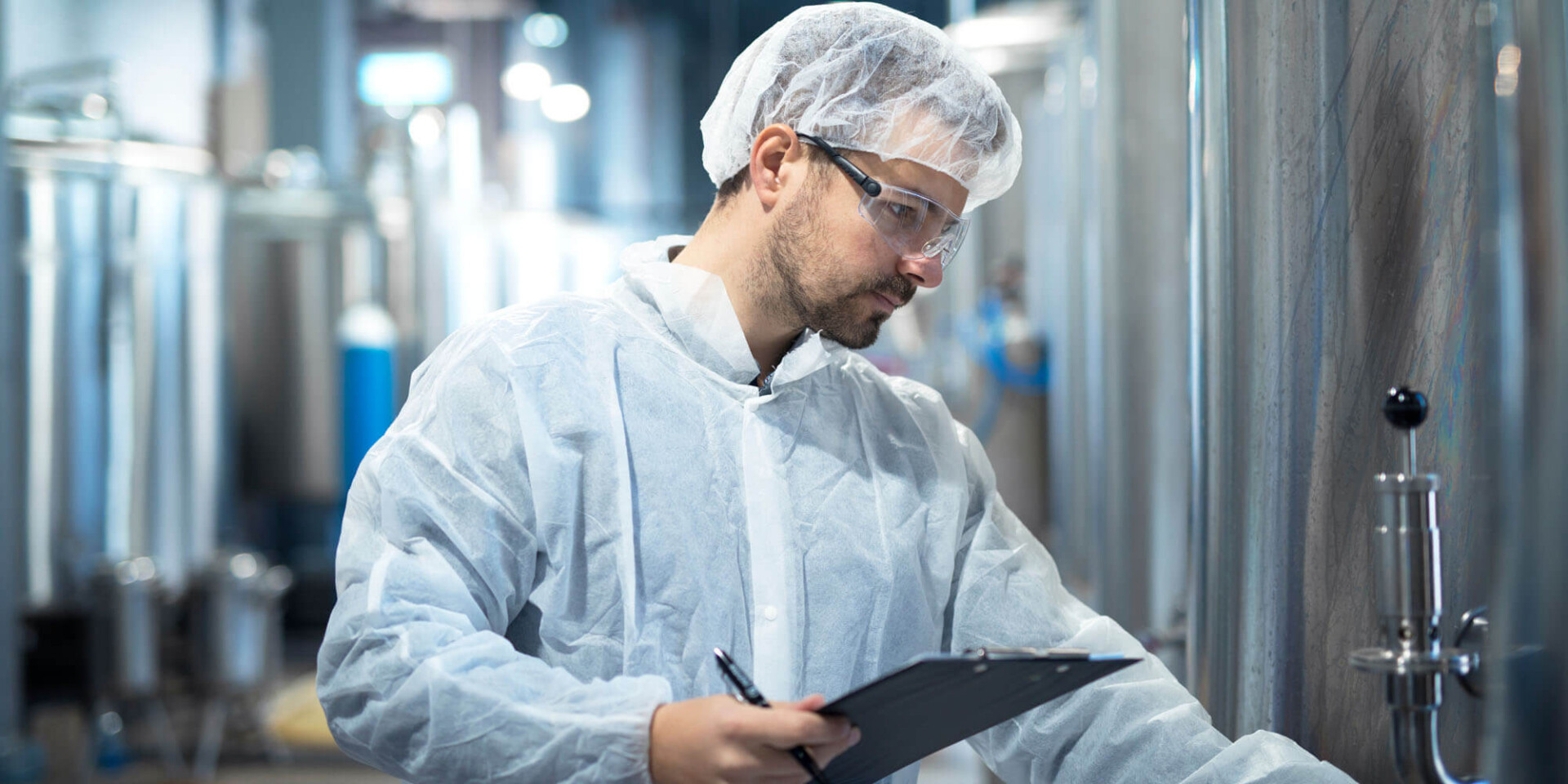
Risk assessment identifies contamination hazards and guides control decisions throughout the cleaning validation program. The process involves:
- Identifying potential risks: Analyze the manufacturing process to identify potential sources of contamination, such as residual active ingredients or cleaning agents.
- Evaluating risk impact: Assess the severity and likelihood of contamination affecting product quality and safety.
- Implementing control measures: Develop strategies to mitigate identified risks, such as optimizing cleaning procedures and implementing monitoring systems.
- Continuous monitoring and review: Regularly review and update the risk assessment based on changes in the manufacturing process or regulatory requirements.
- Identifying risk-based strategies: Rank products or process soils using cleanability scores or a similar worst-case assessment method to identify which compounds present the greatest cleaning validation challenge. Once manufacturers establish and justify that worst case, they can use it to support reduced testing for products shown to be equal to or lower risk, provided the rationale is scientifically documented and maintained within the broader cleaning validation strategy.
Medical device cleaning validation
Cleaning validation for medical devices shares foundational principles with pharmaceutical cleaning validation but introduces additional complexity. Medical device manufacturers must account for materials, design geometry, biocompatibility requirements, and intended use — all of which shape cleaning processes and residue limits.
Regulatory requirements differ from pharmaceutical cleaning validation. In the United States, 21 CFR Part 820 Quality Management System Regulation (QMSR) requires device manufacturers to establish and maintain cleaning procedures. ISO 19227 provides specific guidance on cleaning validation for single-use and reusable medical devices, addressing test soil selection, cleaning agent compatibility, and worst-case processing conditions.
Reusable medical device reprocessing
Reusable medical device reprocessing presents particular challenges. Devices that undergo repeated cleaning and sterilization cycles require protocols accounting for cumulative residue buildup and material degradation. These protocols must also address cleaning agent effectiveness across the device’s useful life. Manufacturers must demonstrate that the cleaning process remains effective throughout the full reprocessing cycle, not only during initial validation runs.
Key considerations for medical device cleaning validation include:
- Device material and design: Complex geometries, lumens, and porous surfaces create areas where residue can accumulate and resist removal during cleaning.
- Cleaning agents and methods: Evaluate compatibility of cleaning agents with device materials to prevent damage, corrosion, or biocompatibility issues.
- Validation protocols: Develop protocols specific to the device type. Consider soil load, cleaning cycle parameters, and acceptance criteria appropriate to the device’s risk classification.
Digital cleaning validation
Paper-based cleaning validation creates friction at every stage of the process. Validation teams spend hours assembling protocol binders, manually transcribing test results, and chasing signatures across departments. Deviations require handwritten investigation records that are difficult to search and slow to review. In multi-product facilities, the documentation burden multiplies with every product changeover — and any error in a paper record can trigger audit findings or rework.
Digital cleaning validation eliminates these bottlenecks. It moves the entire process — from protocol creation through execution, review, and approval — into a single platform. Teams author cleaning validation protocols digitally, execute tests with guided workflows, and capture results with built-in traceability. Data pulling features reduce the risk of transcription errors when calculating vital formula, such as PDE, MACO, and others. The platform time-stamps, attributes, and stores every action in a format that meets 21 CFR Part 11 and Annex 11 requirements for electronic records.
Kneat Gx also reduces one of the most time-consuming parts of cleaning validation development: re-entering the same analytical and acceptance-criteria data across multiple documents. Teams can define structured properties, IDs, or entities for other datasets — such as MACO, PDE, TOC limits, conductivity limits, cleanability scores, and other unit-based thresholds for compounds, products, or detergents — then pull those approved values directly into protocols, reports, and related records wherever they are needed. This eliminates repetitive transcription, reduces the risk of copying the wrong value into the wrong protocol, and makes it much easier to reuse established reference data when validating different products or reagents. In multi-product environments, that dynamic data reuse can remove a substantial amount of manual rework and significantly shorten protocol development time
A global life sciences company reduced changeover time by 50% after adopting Kneat’s digital cleaning validation platform across its multi-product manufacturing sites. Read the full case study to see how they achieved this.
Kneat Gx supports the full cleaning validation lifecycle on one platform. Teams generate requirements traceability automatically, capture deviations in real time with full investigation context, and gain instant visibility into validation status across sites and equipment. The platform adapts to each organization’s unique cleaning procedures without custom development — configuration replaces code. The result is faster cycle times, fewer errors, and audit-ready documentation from day one.
For more on where the industry is heading, explore the latest cleaning validation trends shaping how teams approach digitized test execution and data-driven validation strategies.
To take a deeper dive into digital cleaning validation, download the Digital Cleaning Validation Handbook, authored by Kneat’s Senior Process Engineer, Amy Wilhite. Amy brings years of firsthand experience managing cleaning and equipment validation activities in life science manufacturing and biopharmaceutical production.
Frequently asked questions
What are PDE and MACO in cleaning validation?
Permitted Daily Exposure (PDE) is a health-based limit that defines how much of a substance a patient can be exposed to each day without unacceptable risk. Maximum Allowable Carryover (MACO) is calculated from that limit and translates it into the maximum residue that can remain on shared equipment without exceeding the PDE in the next product. Together, PDE and MACO provide a more compound-specific and risk-based basis for cleaning validation acceptance criteria than legacy universal limits.
How do you perform cleaning validation in the pharmaceutical industry?
A cleaning validation procedure involves developing a written protocol, defining acceptance criteria, and executing the cleaning process. Teams then sample equipment surfaces using swab or rinse methods, analyze samples against acceptance limits, and document results across a minimum of three consecutive runs. Digital platforms like Kneat Gx streamline each step with guided workflows and automated traceability.
Is cleaning validation required for dedicated equipment?
Yes, though teams may reduce the scope. Dedicated equipment still requires cleaning validation to prevent degradation residue buildup, microbial contamination, and cleaning agent carryover that could affect product quality over time.
What is the difference between cleaning validation and cleaning verification?
Cleaning validation proves that a cleaning process works consistently by demonstrating acceptable results across multiple runs. Cleaning verification is the routine confirmation that a team executed a validated cleaning process correctly for a specific batch or campaign.
How do teams select the worst case in cleaning validation?
Worst-case selection considers several dimensions of cleanability, including highest toxicity, hardest to clean, largest equipment contact surface area, lowest detectability, and the smallest MACO value. Teams typically use a matrix or scoring approach to evaluate product and equipment combinations across these factors and identify the scenario that presents the greatest cleaning validation risk.